Rank:
CPO Stoker
Birth date:
17 March 1896
Birth Place:
Devonport, Plymouth, United Kingdom
Service Number:
K25074
Date Joined:
22.03.1915
Date Discharged:
21.03.1937

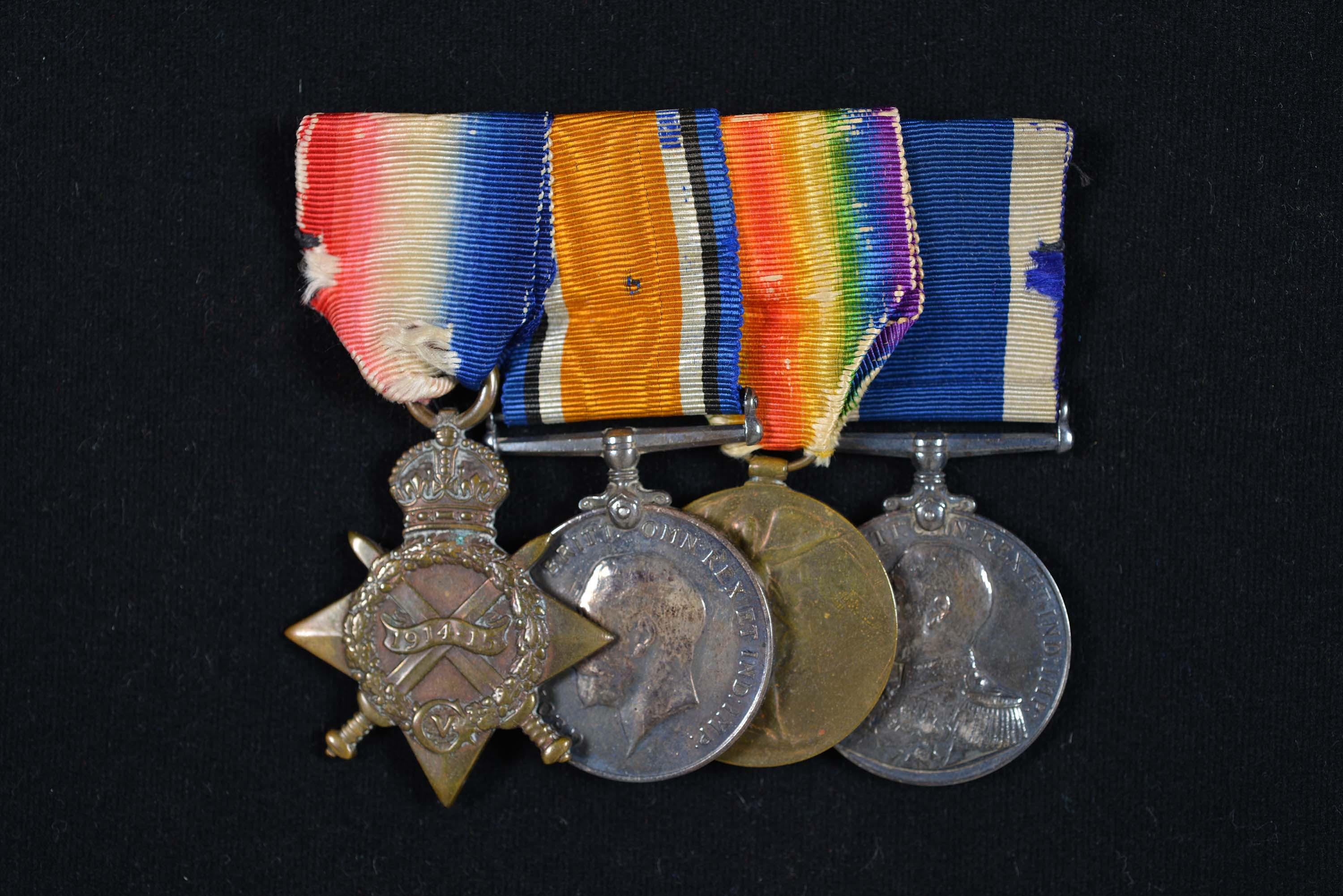
Thomas ‘Frank’ Hobbs enlisted in the Royal Navy in 1915 in the Stoker branch. His first posting was in the Scout Cruiser HMS Adventure which he served in until October 1919 finishing with the rank of Leading Stoker. During the war, Adventure patrolled British and Irish waters as part of the 6th Light Cruiser Squadron. In 1918 she escorted convoys to Gibraltar and served in the Mediterranean and the Aegean until returning to the United Kingdom to be paid off in 1919.
In early 1920, Hobbs was part of the ship’s company that commissioned HMS Hood into the Royal Navy, he remained serving with the battlecruiser until 1922. Hood became the flagship of the battlecruiser squadron of the Atlantic fleet. After six months back onshore at HMS Vivid II, Hobbs joined the crew of HMS Ironduke which served in the Mediterranean Fleet. He remained in the Mediterranean until October 1925 serving on various ships in the area and at HMS Egmont, the shore establishment in Malta.
In February 1926, Hobbs was posted to HMS Impregnable, a training ship in Devonport, Plymouth. He reached the rate of Stoker Petty Officer at the end of 1926 and remained at HMS Impregnable until April 1927. Hobbs then transferred to the Royal Canadian Navy and served in HMCS Stadacona until he reverted back to the Royal Navy in later 1929.
Hobbs spent a year at the shore establishment HMS Vivid before he joined the New Zealand Division of the Royal Navy in late 1930. He spent six years with the New Zealand Division all serving in HMS Diomede. In 1931, Diomede provided support to the town of Napier after the devastating Hawkes Bay earthquake. Hobbs was promoted to Chief Petty Officer Stoker in 1932. Hobbs was part of the crew that returned Diomede to the UK to be paid off in 1936.
Hobbs spent the last year of his service attached to the destroyer HMS Montrose and the shore establishment HMS Excellent. He took his discharge from the Royal Navy in early 1937 after 22 years of service.
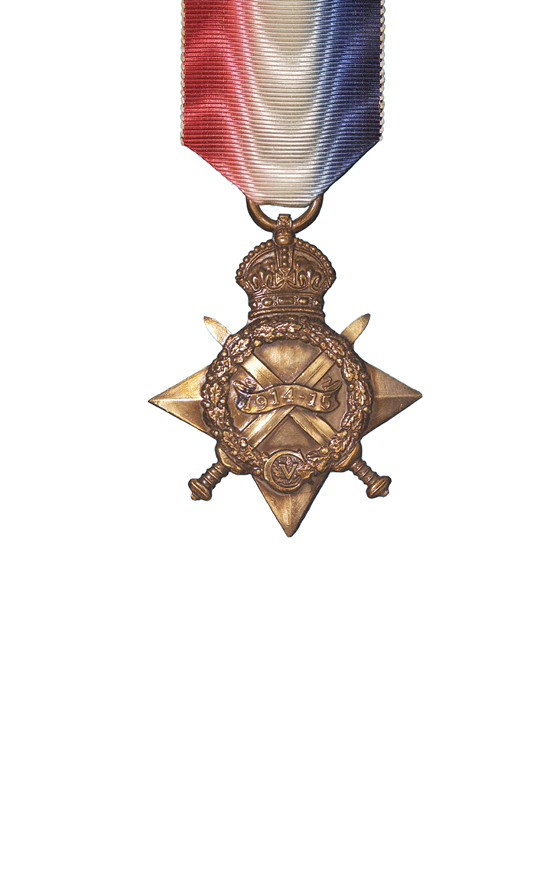
The 1914-15 Star was awarded to servicemen and servicewomen who served in the First World War between 5 August 1914 and 31 December 1915 in any “theatre of war”, provided they had not qualified for the 1914 Star. This included service at Gallipoli between 25 April 1915 and 31 December 1915, service in Egypt between 5 November 1914 and 31 December 1915, and service during the capture of German Samoa on 29 August 1914. Those eligible for the medal must have “served on the establishment of a unit in a theatre of war” during the relevant dates of operations in that area. The ribbon’s red, white and blue shaded and watered bands represent the flag of the United Kingdom.
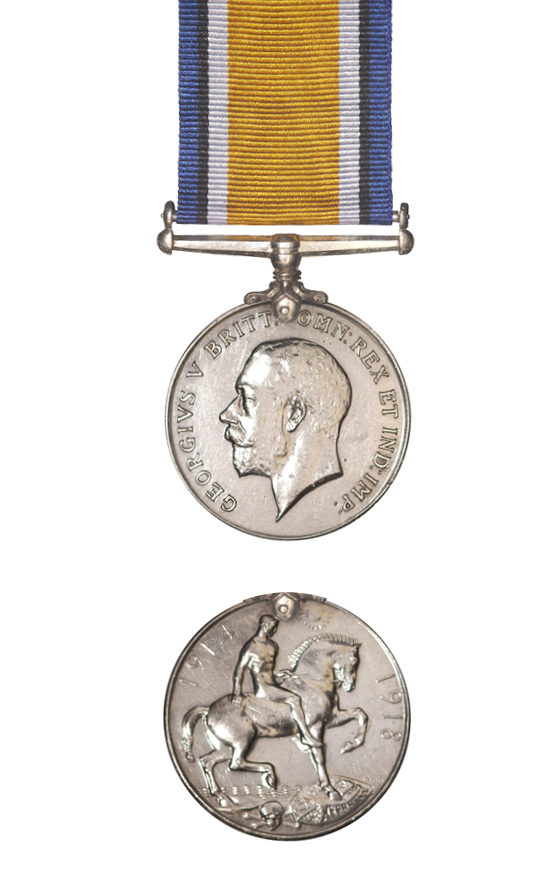
The British War Medal was instituted in 1919 to recognise the successful conclusion of the First World War (1914-1918). Its coverage was later extended to recognise service until 1920, recognising mine clearing operations at sea, and participation in operations in North and South Russia, the eastern Baltic, Siberia, the Black Sea and the Caspian Sea.
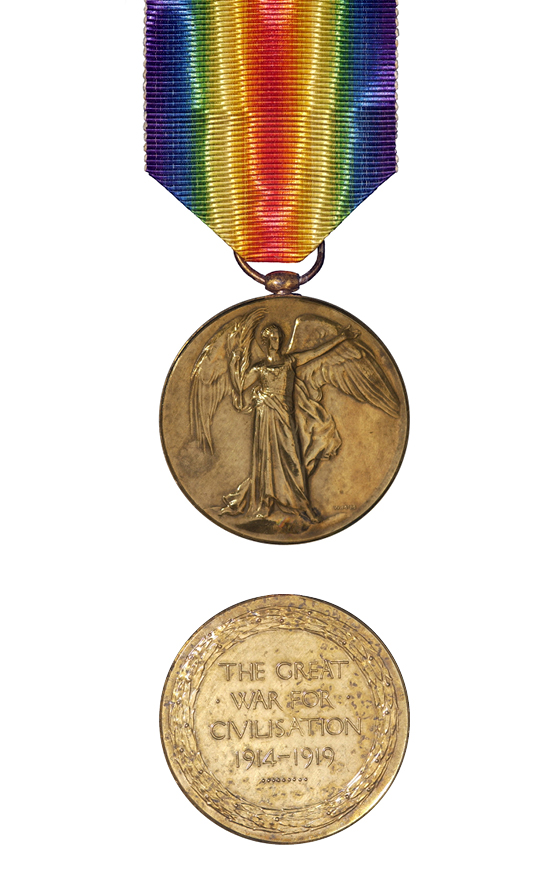
The Victory Medal was awarded in the First World War to all those who had already qualified for the 1914 Star or the 1914-15 Star, and to most persons who had already qualified for the British War Medal. The Victory Medal was awarded to all New Zealand troops serving overseas, except for those who arrived in Samoa after 30 August 1914 and those serving in Great Britain only. It has a unique double rainbow ribbon.
A bronze spray of oak leaves on the medal ribbon denotes that the recipient was Mentioned in Despatches during the period that the medal recognises. To be Mentioned in Despatches a member of the armed forces has had their name mentioned in an official report, written by a superior officer, and sent to a higher command. The report would describe the individual’s gallant or meritorious action in the face of the enemy.
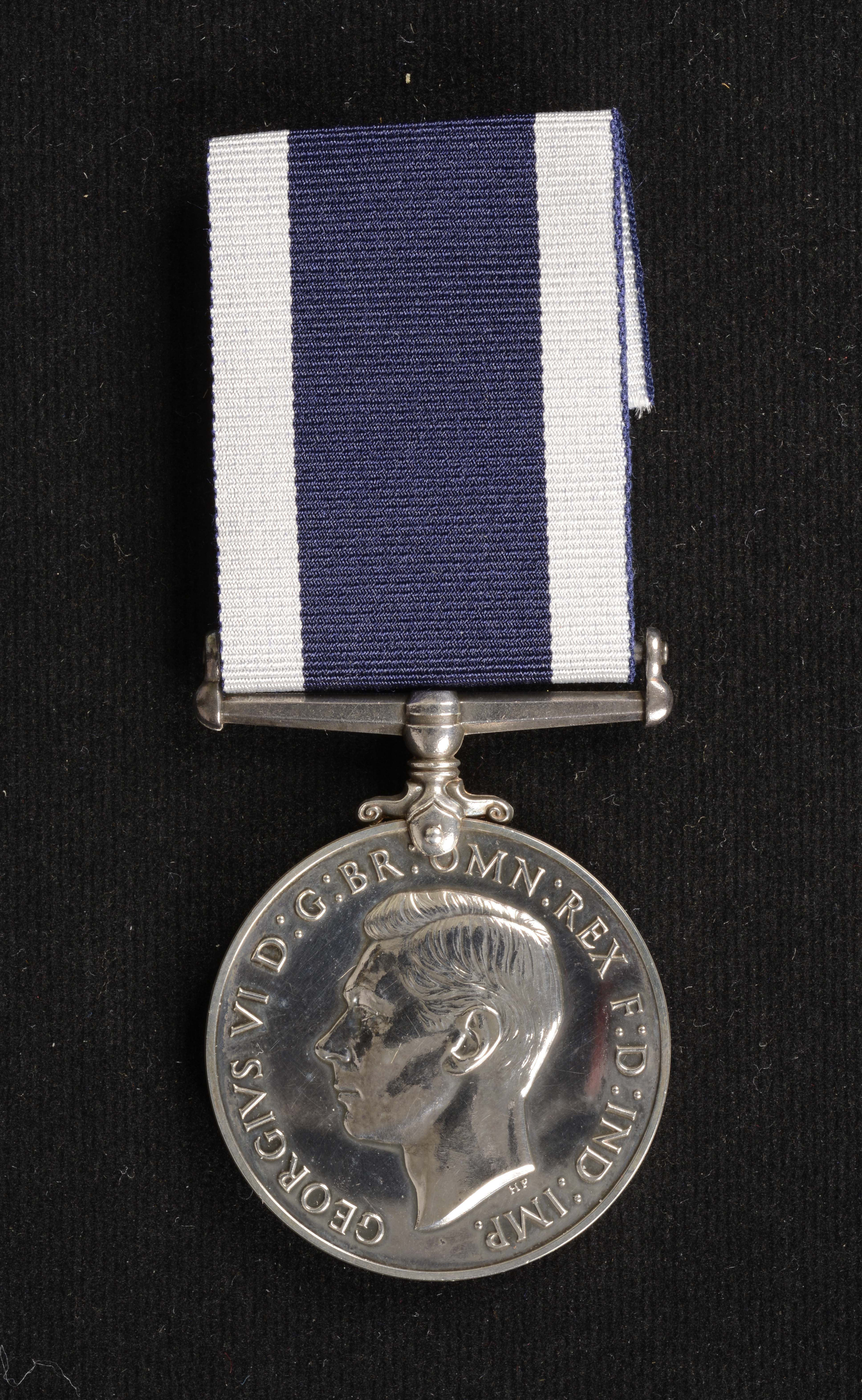
Awarded to ratings who have served a minimum of 15 years in the Royal Navy (previously 21 or 10 years), the first version of this medal was instituted in 1831 and it is still issued to Royal Navy personnel today. It features the reigning monarch’s head on the obverse and HMS Victory on the reverse with the recipient’s details engraved or impressed on the edge of the medal. This medal was also issued to eligible personnel serving in the New Zealand Division of the Royal Navy from 1921-1941 and then to Royal New Zealand Navy personnel from 1941-1981. In 1985 a New Zealand Royal Navy Long Service and Good Conduct Medal was introduced bearing the exact same design.