Rank:
Able Seaman
Birth date:
09.08.1929
Birth Place:
Hamilton, New Zealand
Service Number:
11084
Date Joined:
15.11.1945
Date Discharged:
08.08.1953
Death date:
17.07.2009
Place of death:
Auckland, New Zealand

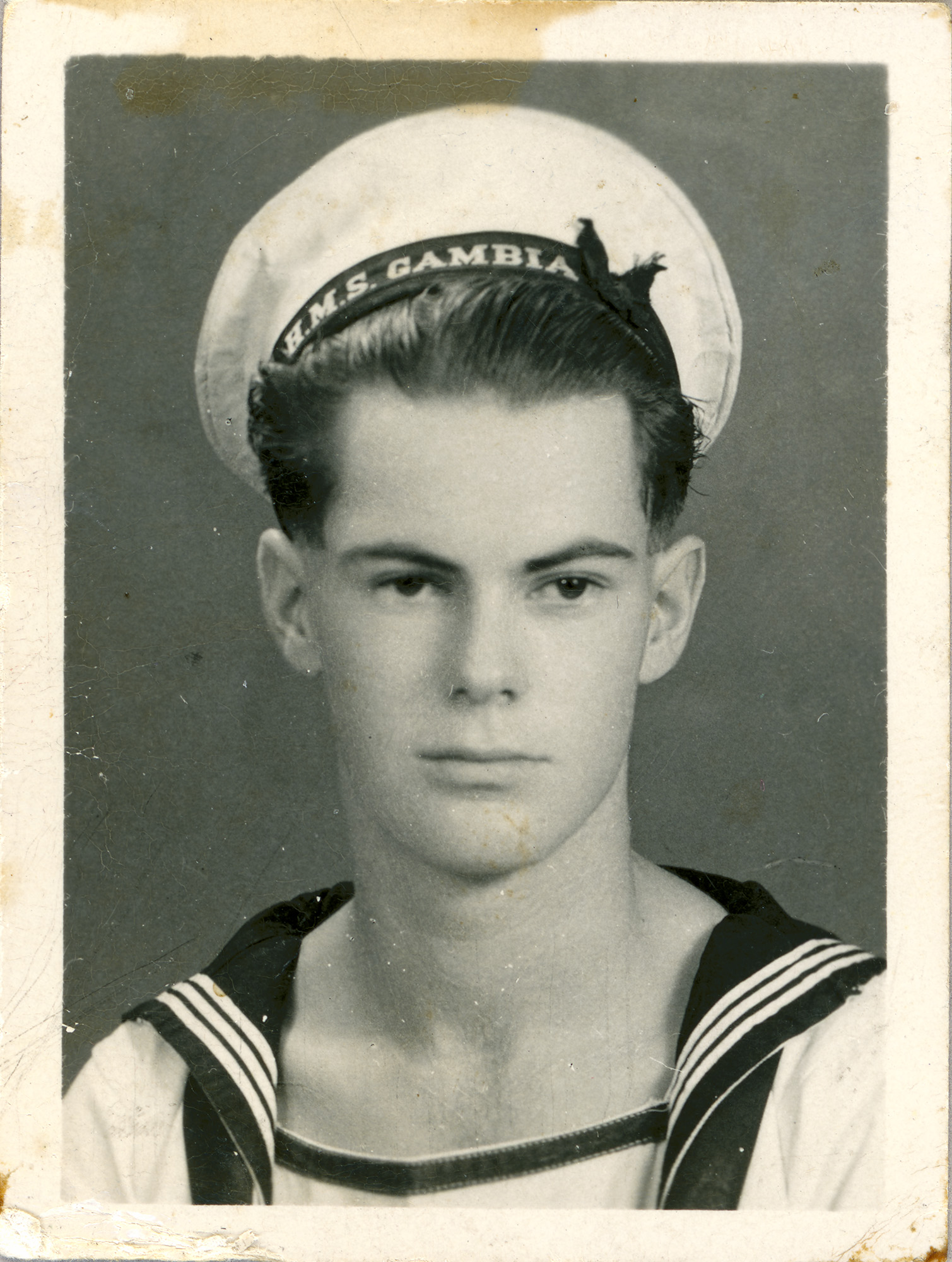
Robert Boyd joined the Royal New Zealand Navy after the Second World War as a Boy 2nd Class. He trained in HMNZS Tamaki and served in HMNZ Ships Achilles and Gambia before being promoted to Ordinary Seaman in August 1947. He also served in HMNZ Ships Bellona and Mako (also known as ML1183 or P3551), and in the shore establishments HMNZ Ships Philomel and Waiouru. In 1951 Boyd was serving as an Able Seaman in HMNZS Lachlan when the ship’s crew were sent to work on wharves and coal mines across the South Island in response to the waterfront strike. From August 1951 to October 1952 he served in HMNZS Taupo, which was deployed to Korean waters in support of the United Nations fleet during the Korean War. After his service in Korea, Boyd returned to New Zealand and served ashore in Tamaki and Philomel. He was discharged from the Navy in August 1953 and immediately entered the Royal New Zealand Fleet Reserve (RNZFR) until his final discharge in August 1969.
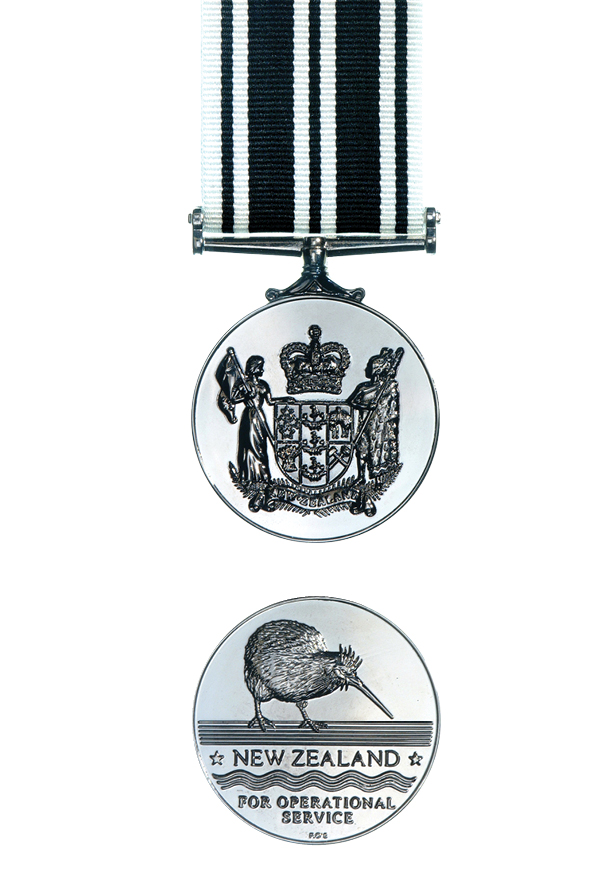
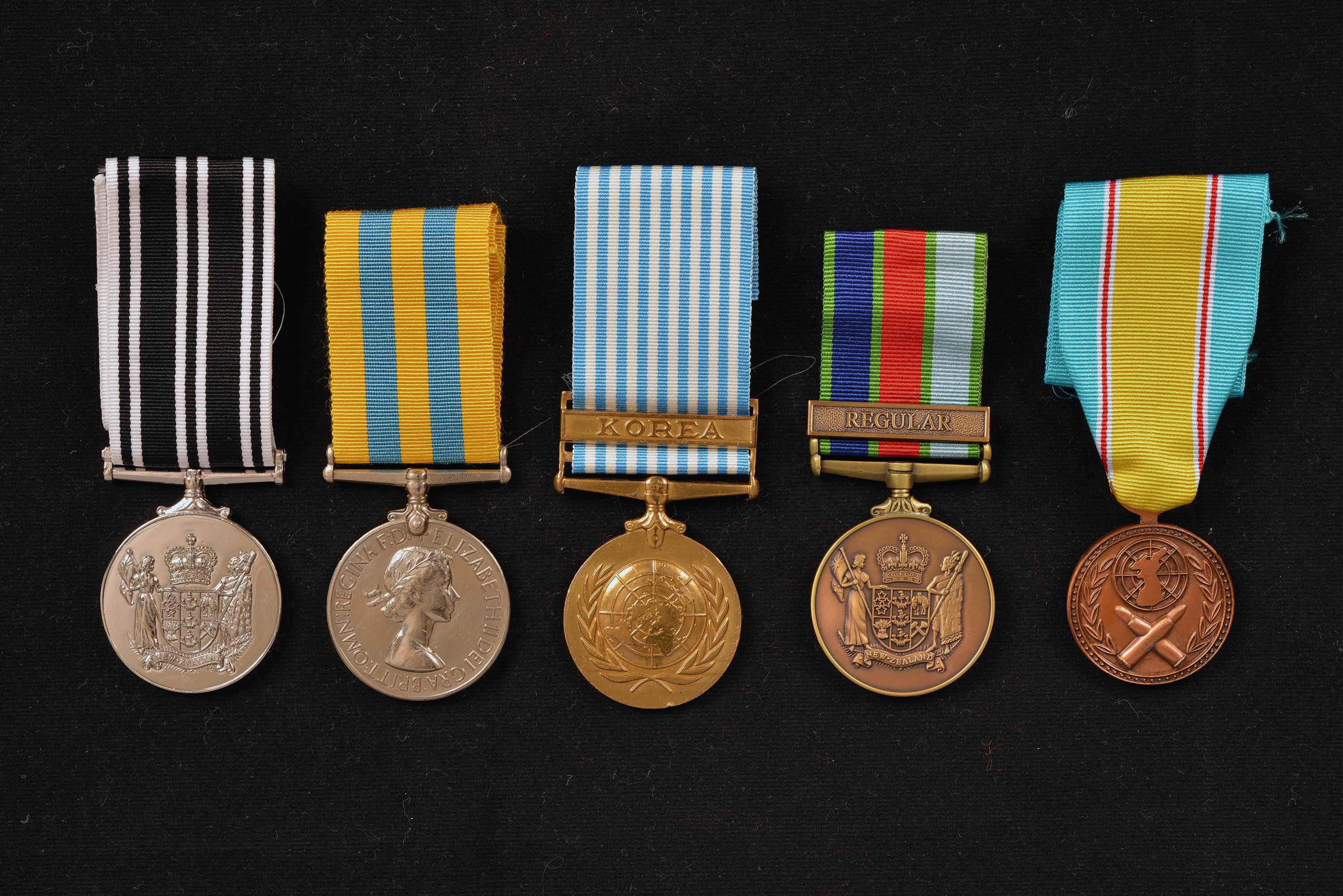
The New Zealand Operational Service Medal (NZOSM) was instituted in 2002 to recognise New Zealanders (military and civilians) who have served since the end of the Second World War. The NZOSM provides recognition for those who have earned a campaign medal or completed 7 days or more of operational service since 3 September 1945. It is awarded once only to an individual, regardless of how many times he or she has deployed on operations. The medal features the New Zealand Coat of Arms on the obverse and a kiwi on the reverse. The ribbon is black and white stripes, representative of New Zealand’s national colours.
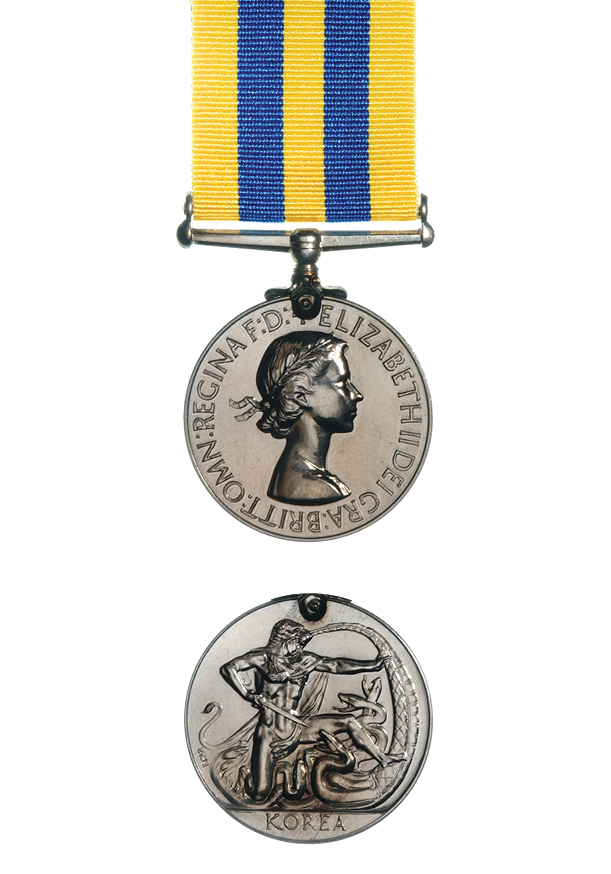
This medal was instituted in 1951, to recognise the service of Commonwealth troops in the Korean War between 2 July 1950 and 27 July 1953. It is sometimes referred to as the Queen’s Korea Medal to differentiate it from the United Nations Korea Medal. For naval forces, qualification is 28 days or more afloat in the operational area or at least one day of shore duty. The medal’s reverse features Hercules wrestling the Hydra – a symbolic representation of communism. The ribbon has alternating yellow and blue stripes. Blue represents the United Nations.
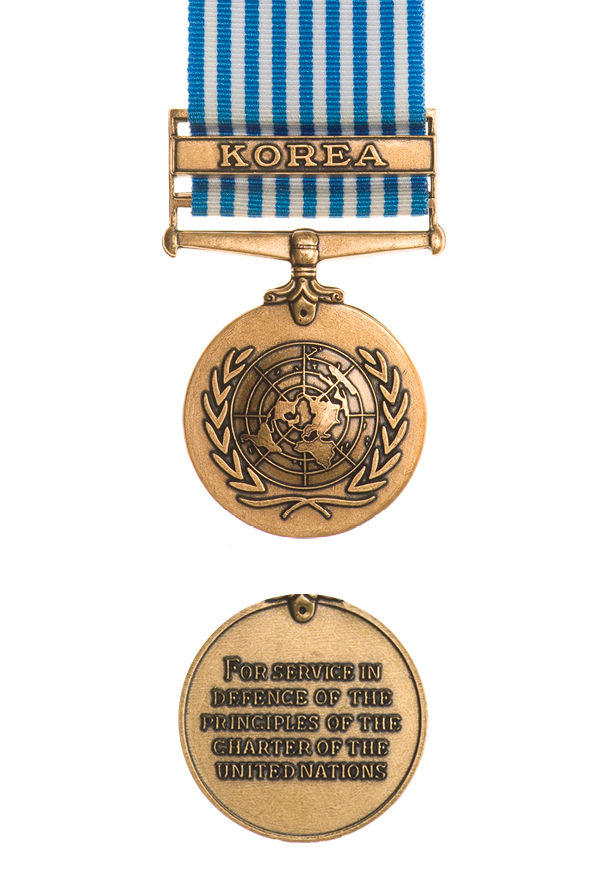
The United Nations Medal (Korea) was awarded for service during the Korean War and the year following the armistice (July 1950 to July 1954). It was the first international award created by the United Nations and features the UN emblem of a projection map of the world between two olive branches. The medal recognises the service of all military troops participating as part of the UN forces in Korea and was manufactured in the language of each country. It was also awarded to a limited range of civilians whose organisations were certified by the United Nations Commander-in-Chief as having directly supported military operations in Korea between 1950 and 1954.
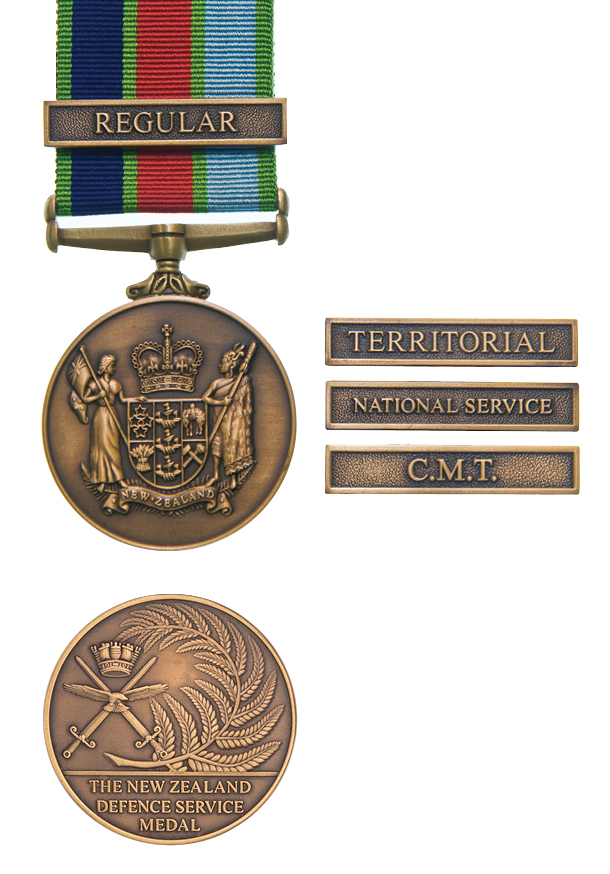
The New Zealand Defence Service Medal (NZDSM) was instituted in April 2011 to recognise military service since the end of the Second World War. One or more of four clasps can be awarded with the medal determined by military service undertaken: Regular, Territorial, C.M.T. (Compulsory Military Training) and National Service.
Eligibility is three years of service in either the Regular or Territorial (Reserve) Forces of the New Zealand Defence Force (Navy, Army, Airforce), or those who undertook Compulsory Military Training (under the Military Training Act 1949) or National Service (under the National Military Service Act 1962).
The medal itself has the New Zealand fern frond and the badge of the New Zealand Defence Force which combines the emblems of the (Navy, Army and Air Force). The ribbon colours also represent the three services: Navy (dark blue), Army (red) and Air Force (light blue).
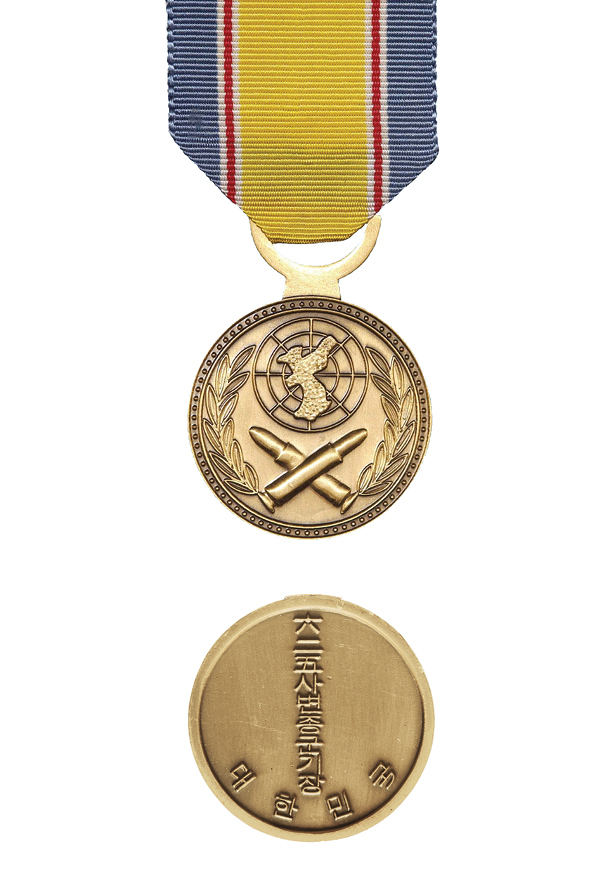
Instituted in 1950 by the Republic of Korea, the Korean War Service Medal was offered to all personnel who served in the Korean War, however, the regulations of the day did not permit the acceptance or wearing of this medal by British Commonwealth military personnel. In 2001, the Korean Government again offered the Korean War Service Medal to British Commonwealth forces in recognition of the significant contribution and bravery of the veterans who had fought in the war. The Sovereign subsequently approved the acceptance and unrestricted wearing of the award by eligible New Zealanders.