Ref.no. 2013.49.16 Image may be subject to copyright restrictions.
Rank:
Able Seaman
Birth date:
1921
Birth Place:
Ponsonby, Auckland
Service Number:
NZD1510
Date Joined:
19.05.1937
Date Discharged:
Killed In Action
Death date:
19.12.1941
Place of death:
HMS Neptune, Tripoli

Display No. 15C

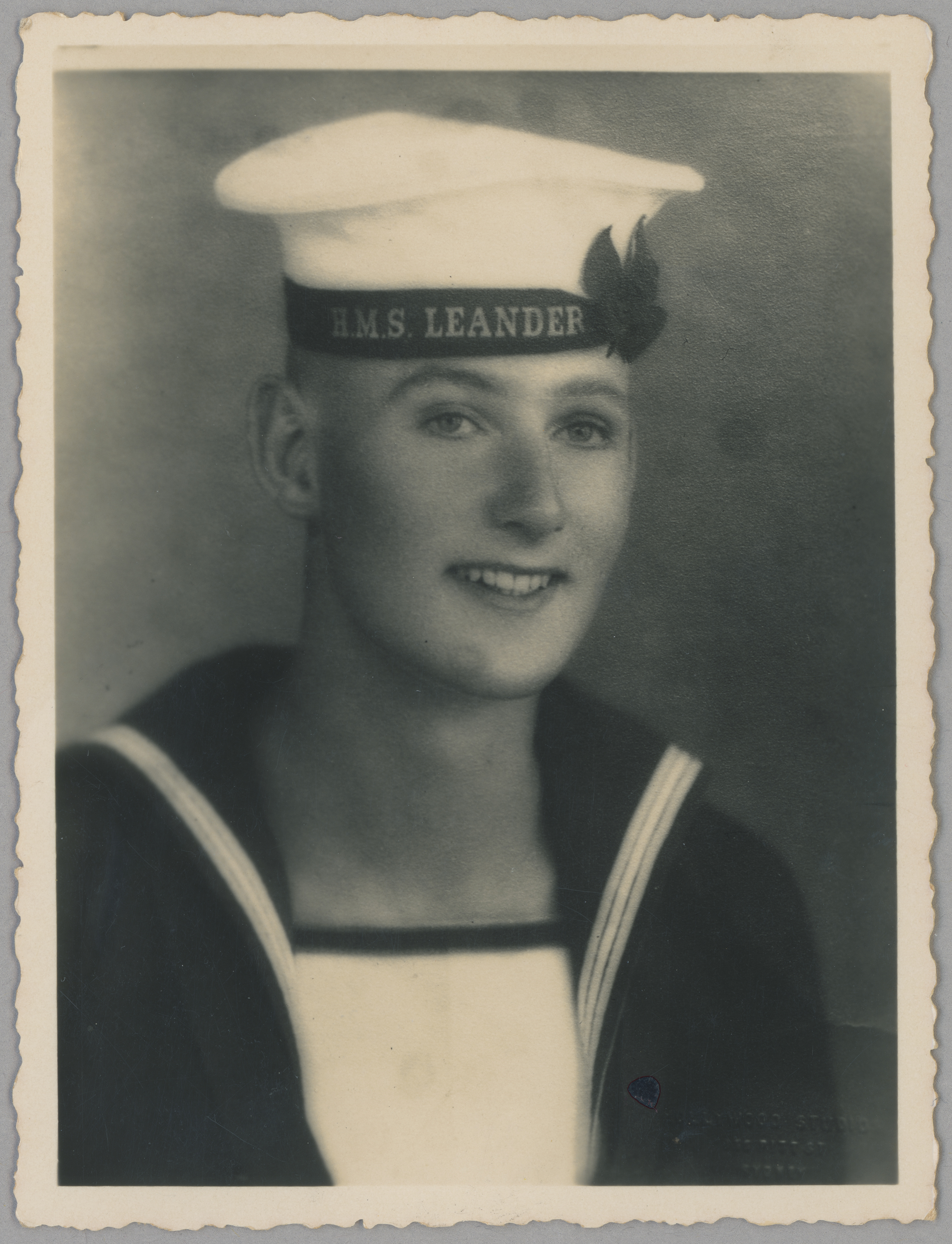
BARFORD, Bryan John

Bryan Barford joined the New Zealand Division of the Royal Navy as a Boy 2nd Class in 1937. His first posting was to HMS Philomel where he remained until May 1938.

He was serving in HMS Leander, which had completed two Pacific Island Cruises and one Australian Cruise, at the outbreak of the Second World War. Barford continued to serve in Leander until October 1941 when he was posted to HMS Neptune. Neptune was part of a fleet that patrolled in the Mediterranean during December 1941. On 19 December Neptune sailed into a minefield off the coast of Tripoli and sank. From a crew of 764, including 150 New Zealanders, there was only one survivor. Barford was aged 20 when he lost his life aboard Neptune. Barford’s name is commemorated at the New Zealand Naval Memorial, Devonport Naval Base, HMNZS Philomel.

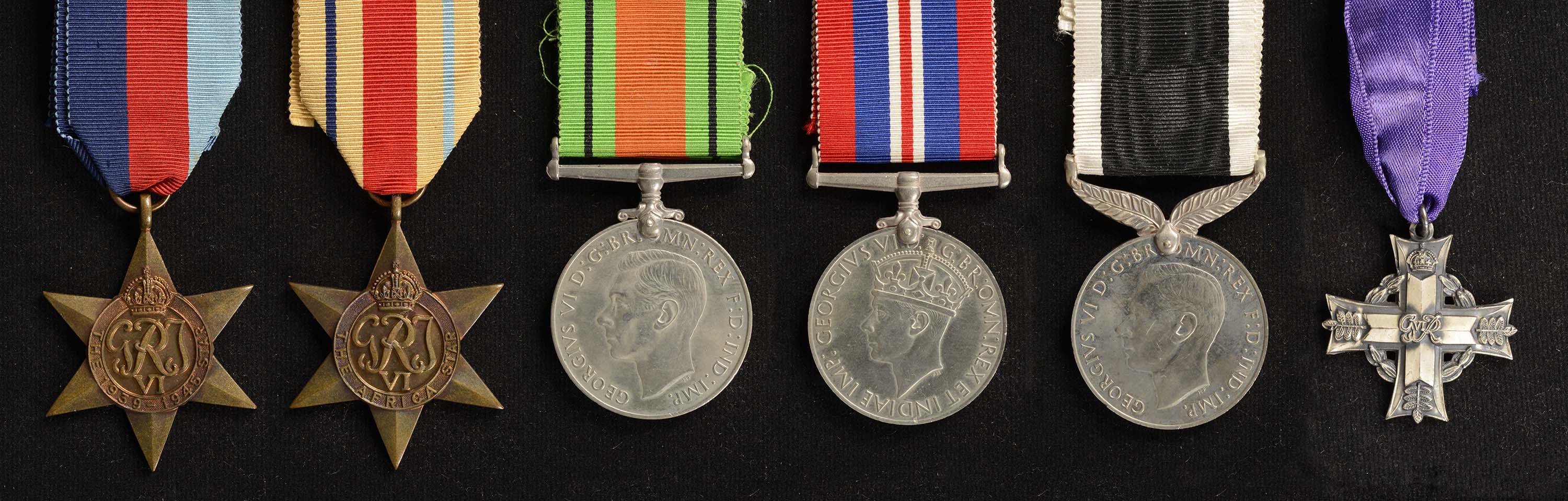
The 1939-1945 Star, The Africa Star, The War Medal 1939-1945, The New Zealand War Service Medal, The New Zealand Memorial Cross, The Defence Medal

Awarded medal(s)

Medal Description [Left to Right]:

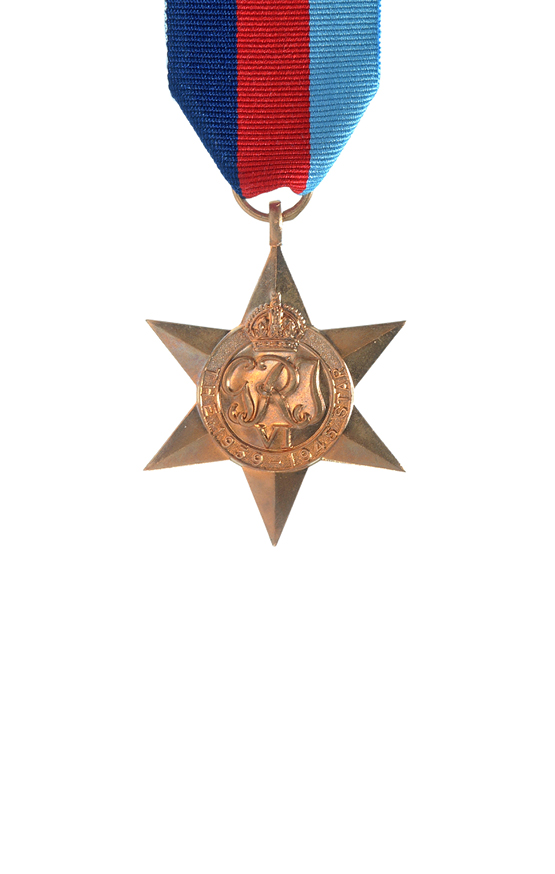
The 1939-1945 Star

The 1939-45 Star is the first in a series of eight campaign stars instituted in 1945 to recognise service in World War Two. The ribbon has three equal vertical stripes of dark blue, red and light blue. The dark blue stripe symbolises the service of the Navy and the Merchant Navy, the red stripe symbolises the service of the Army, and the light blue stripe symbolises the service of the Air Force. The equal width bands represent the equal contributions of the three service arms towards victory. The ribbon was devised by King George VI. Two clasps could be awarded with this medal: ‘Battle of Britain’ and ‘Bomber Command’. Only aircrew would qualify for these clasps although a small number of Fleet Air Arm naval pilots flew for the air force and would be eligible for the ‘Battle of Britain’ clasp.

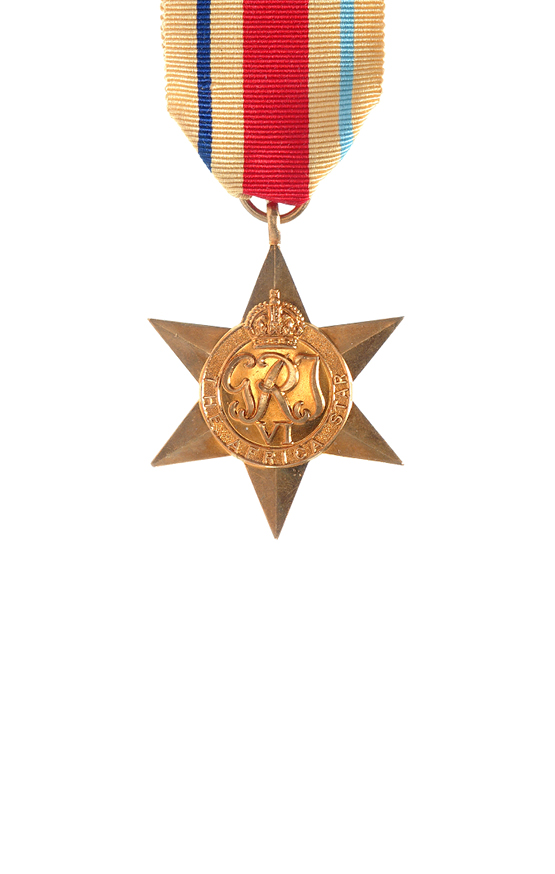
The Africa Star

The Africa Star was awarded in the Second World War for service in North Africa between 10 June 1940 and 12 May 1943. The ribbon is pale buff in colour, with a central vertical red stripe, and narrower stripes, one dark blue and the other light blue. The pale buff background symbolises the desert, the central red stripe symbolises the Army, the dark blue stripe symbolises the Navy and Merchant Navy, and the light blue stripe symbolises the Air Force. Three clasps could be awarded with this medal: ‘North Africa 1942-43’, ‘8th Army’,  and ‘1st Army’. Naval personnel could only qualify for the ‘North Africa 1942-43’ clasp – for in shore service.

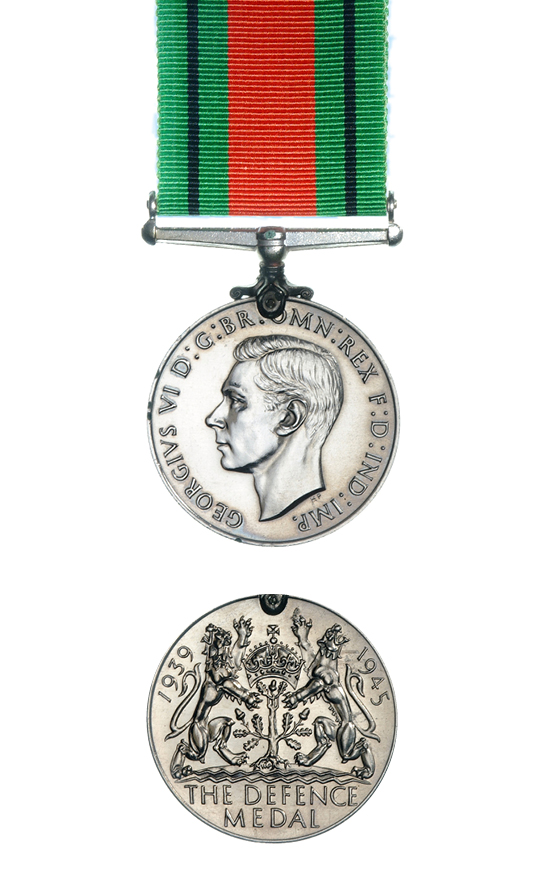
The Defence Medal

The Defence Medal was awarded to British and Commonwealth forces who served during the Second World War. It was awarded to New Zealand military personnel who served overseas in a non-operational area such as Great Britain, Palestine or Fiji. The ribbon’s flame-coloured orange centre band and green edge bands symbolise enemy attacks on Britain’s green and pleasant land. The narrow black stripes represent the black-outs against enemy air-attacks.

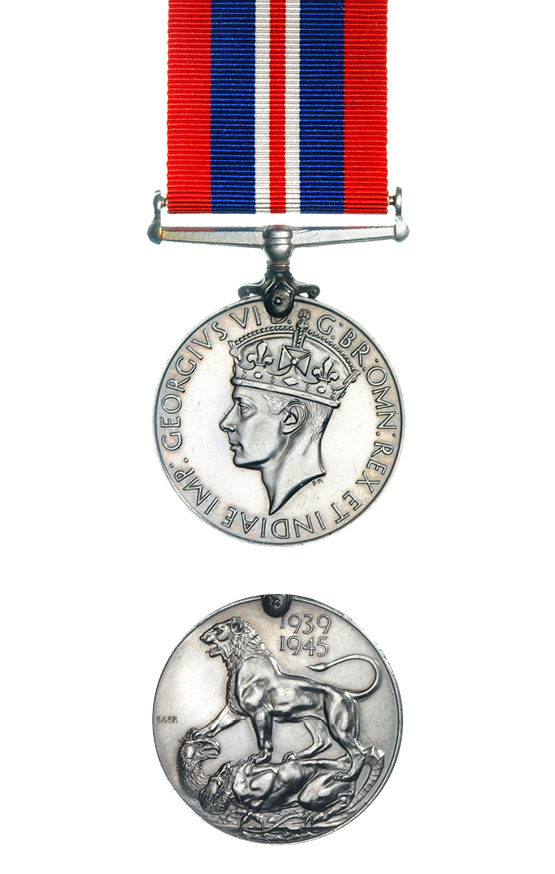
The War Medal 1939-1945

The War Medal 1939-45 was awarded across the British Commonwealth to all full-time members of the Armed Forces in the Second World War for 28 days service between 3 September 1939 and 2 September 1945, irrespective of where they were serving. The ribbon is the red, white, and blue of the (British) Union Flag. There is a narrow central red stripe with a narrow white stripe on either side. There are broad red stripes at either edge, the two intervening stripes being blue.

A bronze oak leaf on the medal ribbon denotes that the recipient was Mentioned in Despatches. To be Mentioned in Despatches a member of the armed forces had their name mentioned in an official report, written by a superior officer, and sent to a higher command. The report would describe the individual’s gallant or meritorious action in the face of the enemy.

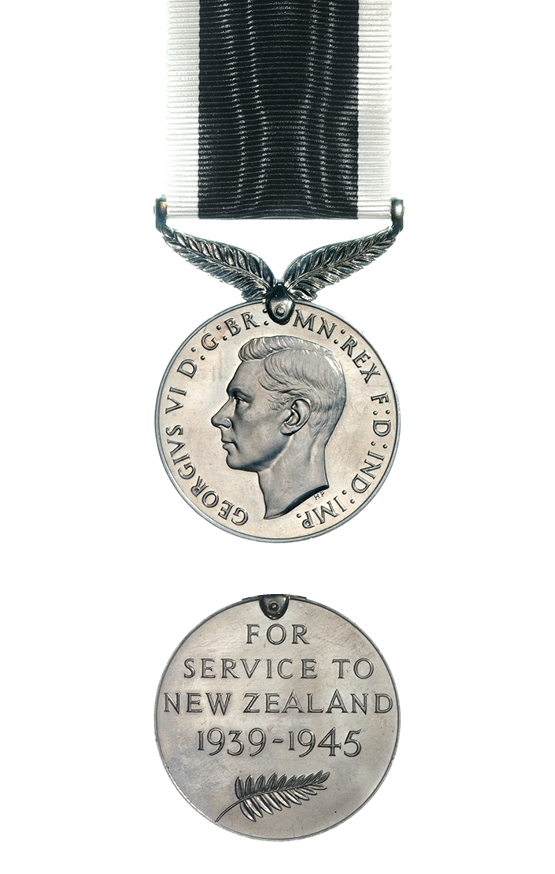
The New Zealand War Service Medal

The New Zealand War Service Medal was awarded for 28 days’ full time service or six months’ part time service in the Second World War in any of the New Zealand Armed Forces including the Reserves, Naval Auxiliary Patrol Service, or Home Guard, between 3 September 1939 and 2 September 1945.

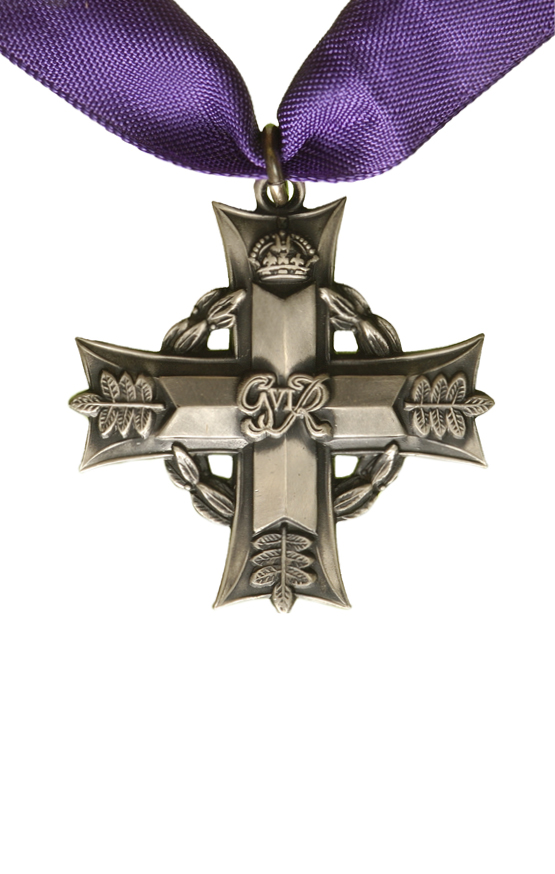
The New Zealand Memorial Cross

The New Zealand Memorial Cross is awarded to the next of kin of all New Zealand servicemen and women who were killed, while on war service or operational service overseas in the Second World War. It is also awarded to the next of kin of those who subsequently died of wounds received while on war service, or operational service overseas, since the commencement of the Second World War. For deaths during the Second World War the first cross was awarded in the late 1940s or the 1950s to the mother. If the mother was deceased, the first cross was awarded to the father, or if he was also deceased, to the eldest sister, or the eldest brother if the military service person had no living sisters. A second cross was awarded to the widow, eldest daughter or eldest son (in that order of precedence). If the deceased military service person was not married, and had no children, only one Memorial Cross was issued. It is worn on a purple ribbon around the neck.

Special interest medal(s)

Display No. 27H

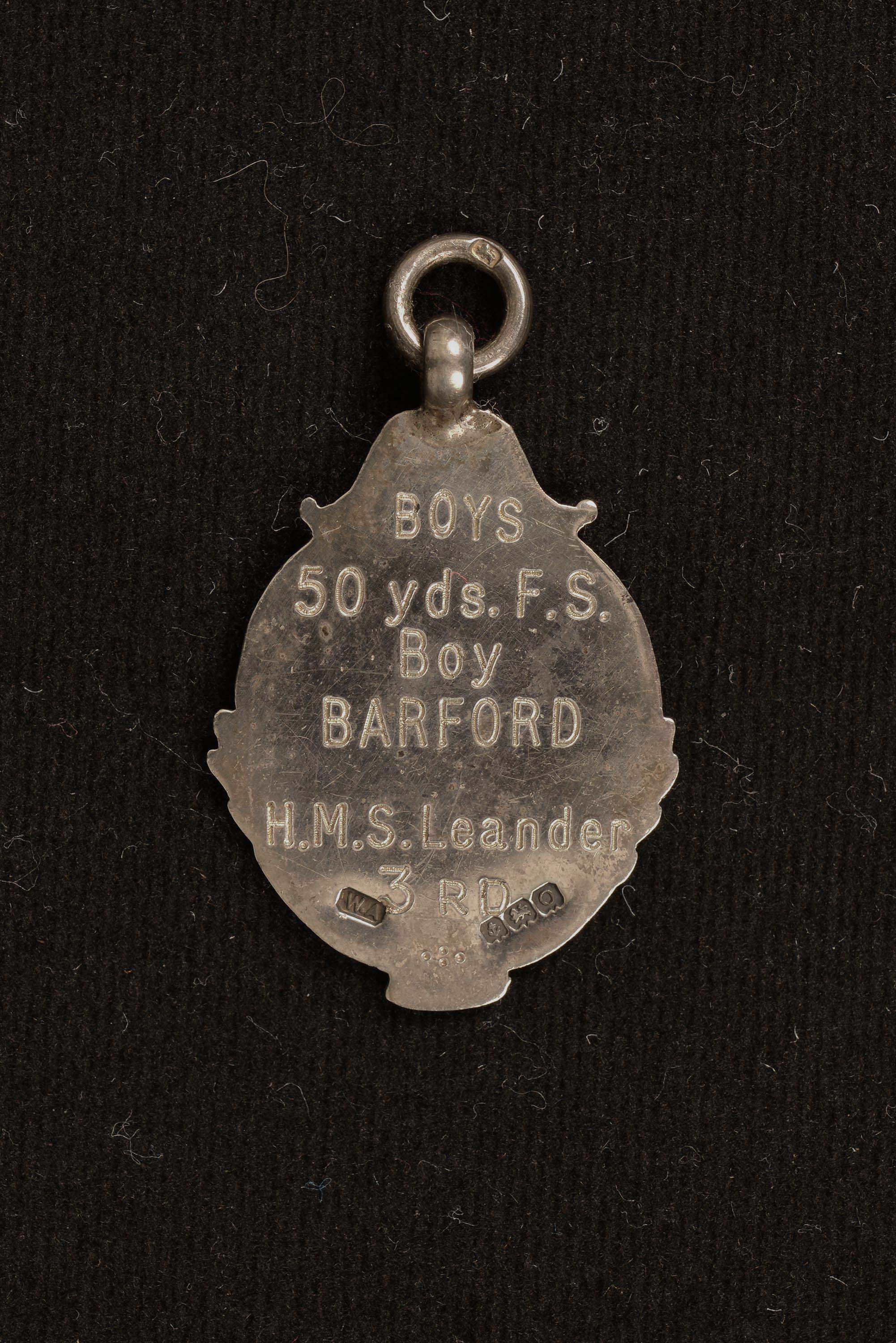
Swimming Medallion

Awarded for Boys 50 yards Free Style. This medallion was awarded to Boy Barford from HMS Leander for achieving 3rd place in 1939.